
 back to overview
Forstgarten and Gustavsgarten
Forstgarten and Gustavsgarten
open daily
The Forest Garden: From Tree Nursery to Romantic Idyll
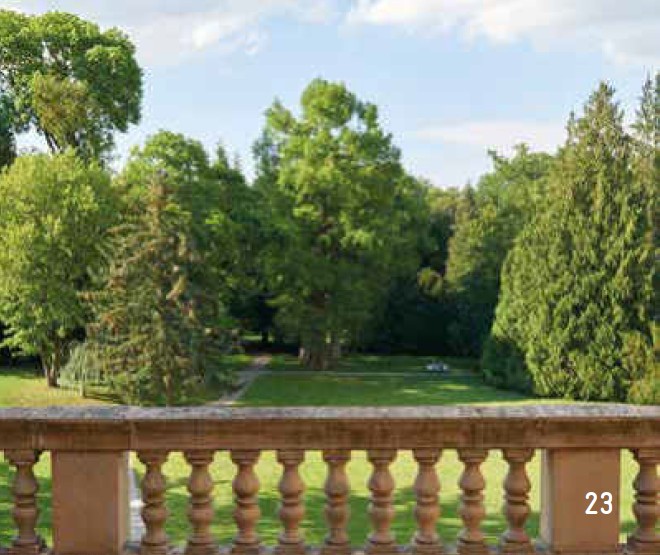
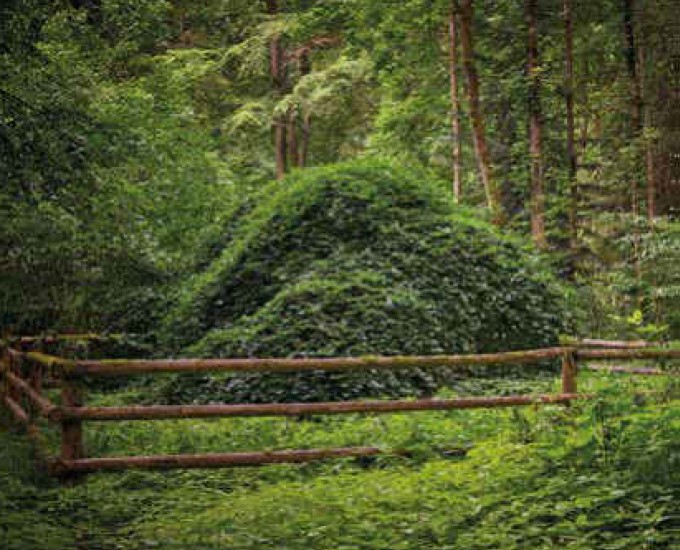
The forest garden was much more than just a tree nursery – it was the botanical heart of the Landgrave's garden landscape. From 1821 onwards, exotic trees and shrubs such as tulip trees, giant arborvitae and azaleas were tested here before being planted in the stately parks. The garden uniquely combines utility and aesthetics: the rectangular cultivation fields (Kämpen) bear witness to the forestry work, while winding paths over six bridges lead to romantic vantage points. A rustic tea house by the pond completes the fairytale atmosphere, which was revived in 2009 through extensive reconstruction.
The Gustavsgarten: a classic jewel of landscape art
Just one year later, in 1822, the history of the Gustavsgarten began. What started as a small garden (‘Accatium’) was transformed into a spacious landscape park by Prince Gustav and his wife Louise from 1829 onwards.
• Architectural highlight: The teahouse in the form of a Doric temple is reminiscent of Louise's childhood in Dessau.
• Changing times: At the end of the 19th century, the banker Julius Wertheimber built his villa here (now the seat of the city archives).
• Preserved splendour: Despite being used as a hospital site for a time, the basic structures and impressive tree population have been preserved.
The park has been owned by the city since 2011 and once again invites visitors to enjoy peaceful walks.